
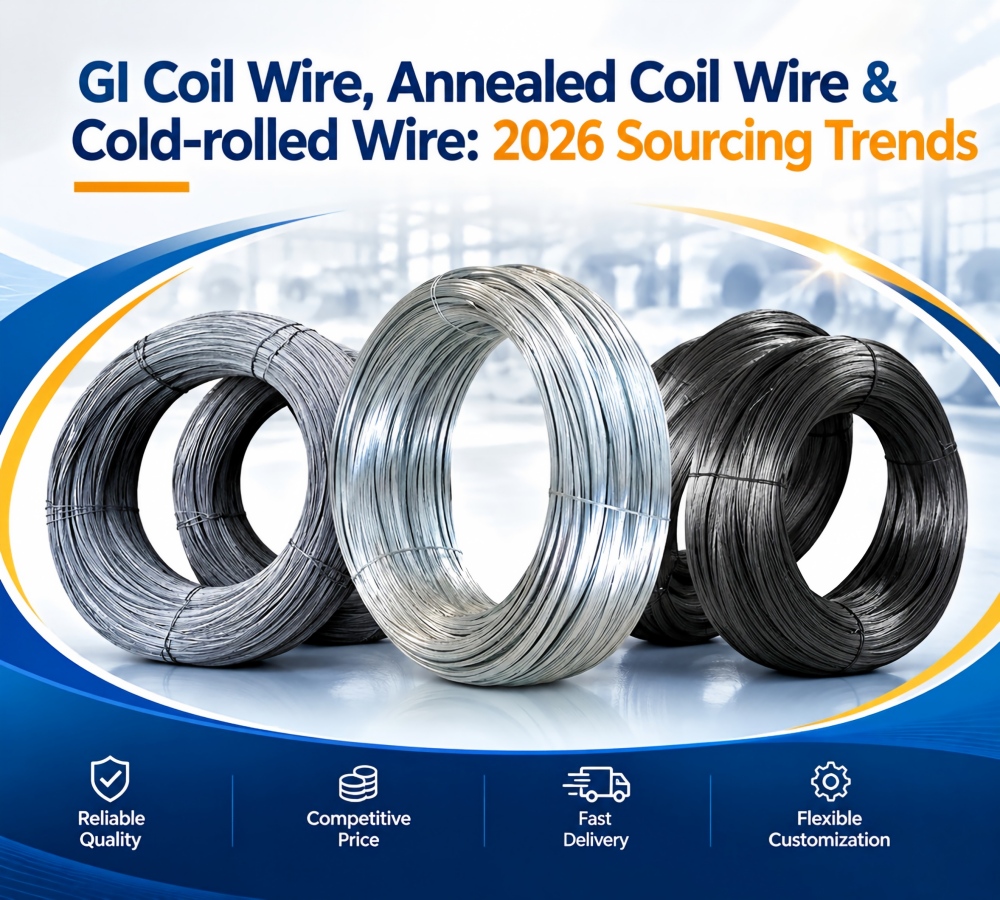
GI Coil Wire, Annealed Coil Wire & Cold-rolled Wire: 2026 Sourcing Trends Every Procurement Manager Should Know
The global galvanizing steel wire market was valued at approximately USD 8.42 billion in 2025 and is projected to reach USD 14.56 billion by 2034, expanding at a CAGR of 6.2%. Behind that headline number sits a more practical reality for procurement teams: the way buyers evaluate GI coil wire, annealed coil wire, and cold-rolled wire has changed significantly over the past two years.
Tariff adjustments, tighter quality documentation requirements, and a shift toward automated processing lines have all reshaped what “good” looks like when sourcing steel wire coils. This article outlines three sourcing trends that procurement managers across construction, agriculture, and manufacturing should factor into their 2026 supplier evaluations.
What Procurement Teams Should Ask Before Requesting a Quote?
Before contacting any supplier, establish the answers to five questions: What will the wire become? Will it be bent, welded, drawn, or formed? Will it feed through automated machinery? Will the finished product be exposed outdoors? Is a particular standard or customer specification required? These questions determine grade, coating, tolerance, and coil format—all of which affect lead time and pricing.
GI Coil Wire: Stronger Traceability Requirements
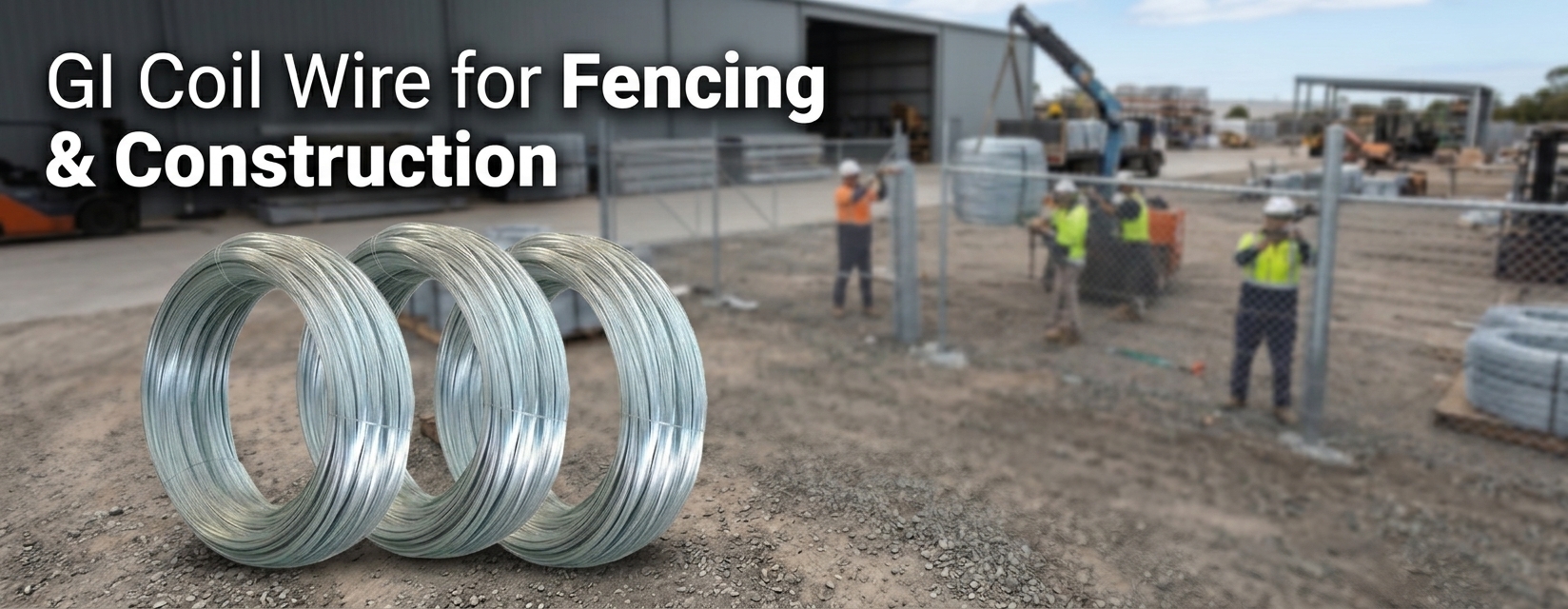
GI coil wire—zinc-coated carbon steel wire supplied in coil form—remains a workhorse material for construction binding, fencing mesh, and agricultural trellising. The global galvanized iron wire market is expected to reach USD 5.237 billion by 2032, with a CAGR of 2.9% during the forecast period. The construction sector alone drives a substantial share of this demand, with the global construction industry projected to grow at a CAGR of 4.5% through 2028.
What has changed is not the product itself but the documentation expectations around it. ASTM A641/A641M-19(2025) covers soft, medium, and hard temper zinc-coated carbon steel wire in coils for general use. Zinc-coated wire produced as “regular coating” must have the full surface covered with zinc, though no minimum coating weight is specified for that class. Adhesion tests are mandatory. Buyers should confirm that suppliers provide mill test reports covering chemical composition and coating adhesion results—not just a generic certificate of conformity.
Hot-dip galvanizing remains the dominant coating method due to its cost-effectiveness and robust protection, while continuous electro-galvanizing is gaining traction for applications requiring thinner, more uniform coatings. For outdoor fencing and infrastructure applications where corrosion resistance is paramount, buyers should verify the coating class rather than relying on general product descriptions.
Annealed Coil Wire: A Production-Line Critical Component
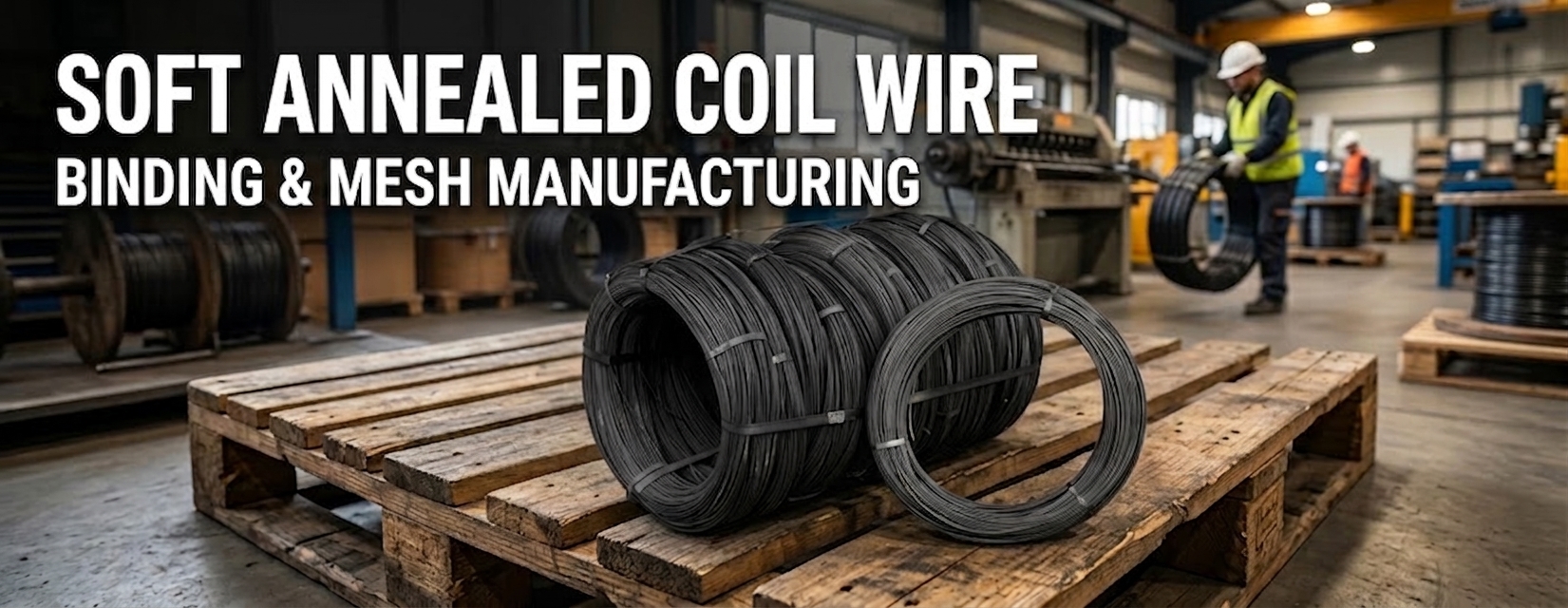
Annealed coil wire is a different animal entirely. Where GI wire is specified primarily for corrosion resistance, annealed wire is specified for formability and consistency. ASTM A853-19 covers carbon steel wire coils that may be produced hard drawn, annealed in process, or annealed at finish size. The steel undergoes tensile testing and must conform to specified tensile strength values.
The practical implication for buyers is straightforward: annealed wire that feeds into automatic binding machines or automated mesh welding lines must meet tighter dimensional and surface requirements than wire used in manual tying operations. Dimensional inconsistency, surface defects, or variation in tensile strength directly translate into machine downtime and rejected end products.
A common specification range for standard annealed black wire is 350–500 MPa tensile strength, though this varies by diameter and application. Buyers sourcing for automated production should request samples and test them under actual feed conditions before committing to a full order.
Cold-rolled Wire: Precision Without the Premium
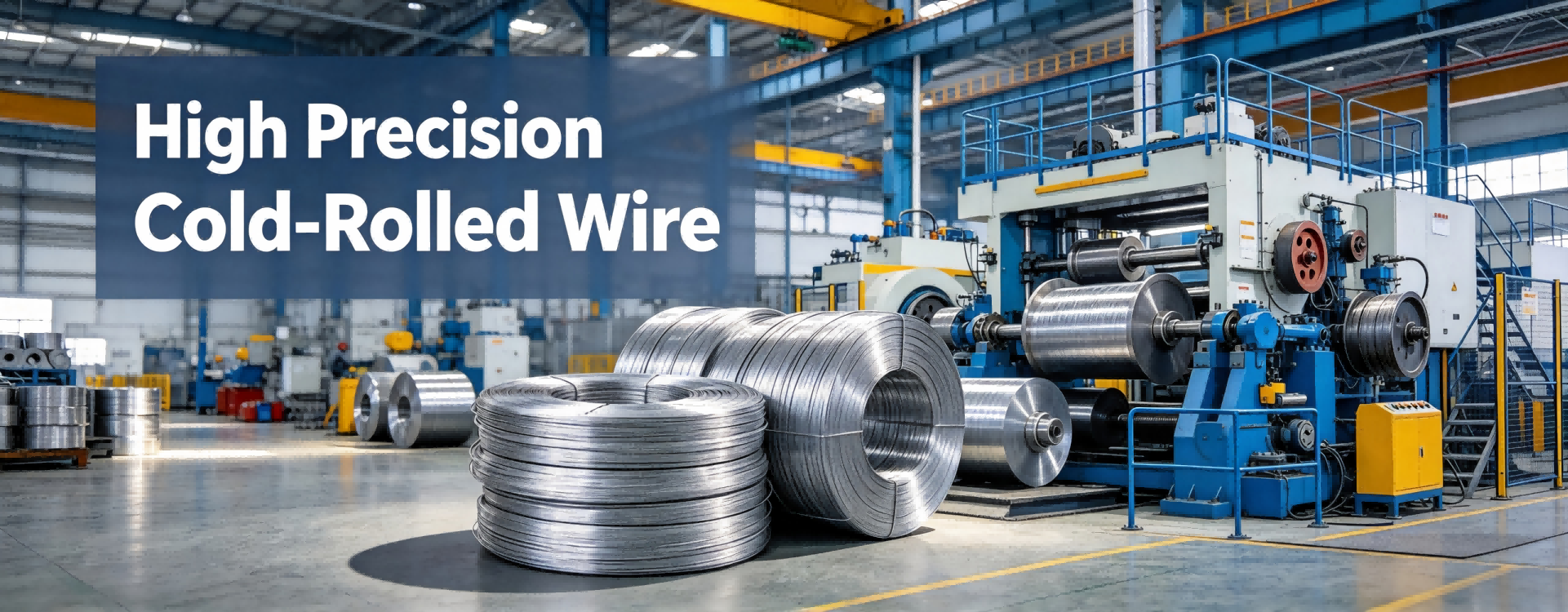
Cold-rolled wire is produced through a cold forming process that changes dimensions and improves mechanical properties without applying heat. This process promotes excellent surface quality, strength, and precision—cold-rolled products can match specifications more precisely than hot-rolled alternatives, with tolerances reaching down to a thousandth of an inch.
ASTM A510/A510M-25 provides the general requirements framework for carbon steel wire rods and uncoated coarse round wire in coils, with chemical compositions specified by ranges or limits for carbon and other elements. The grades commonly specified for carbon steel wire rods and coarse round wire are presented in this standard, giving buyers a clear reference point when comparing supplier offerings.
For applications where dimensional accuracy and surface finish matter—automotive components, precision fasteners, industrial equipment parts—cold-rolled wire offers higher yield and tensile strength through work hardening compared to hot-rolled products. The trade-off is less formability, so buyers must match the material to the forming process rather than defaulting to the “stronger” option.
Why Coil Format Matters More Than Total Tonnage
A common oversight in wire sourcing is treating coil format as a secondary consideration. Steel wire is normally purchased by weight, but how that weight is divided into coils, carriers, or spools can be just as important as the total tonnage.
Three practical questions determine the right coil format:
● Does the wire feed directly into an automated line, or is it de-coiled for manual processing?
● What is the maximum coil weight the handling equipment can safely manage?
● Are there restrictions on coil dimensions for container loading and warehouse storage?
For export shipments, packaging specifications should reference recognized standards such as ASTM A700, which provides guidance on packaging, marking, and loading methods for steel products for shipment. Buyers should request the supplier's standard packaging specification and confirm it covers moisture protection, coil integrity during transit, and identification marking.
Three Supplier Evaluation Criteria for 2026
When comparing GI coil wire, annealed coil wire, and cold-rolled wire suppliers, the technical specification is only the starting point. A structured evaluation should cover:
First, material traceability. Verify that the supplier uses standardized steel grades with documented chemical composition and mechanical testing protocols. Mill test reports should trace back to the specific heat or lot number, not just a general production batch.
Second, process consistency. For annealed and cold-rolled wire, the annealing parameters and rolling tolerances directly affect ductility and tensile strength. Suppliers who cannot explain their process control measures are unlikely to deliver consistent product across repeat orders.
Third, operational performance. On-time delivery rate and average response time are leading indicators of supplier reliability. A high reorder rate from existing customers is a useful proxy for satisfaction, though it should be verified through reference checks rather than taken at face value.
What This Means for Your 2026 Sourcing Plan
It is common for fasteners to fail on site after repeated errors. By avoiding these errors, you can avoid the majority of rework.
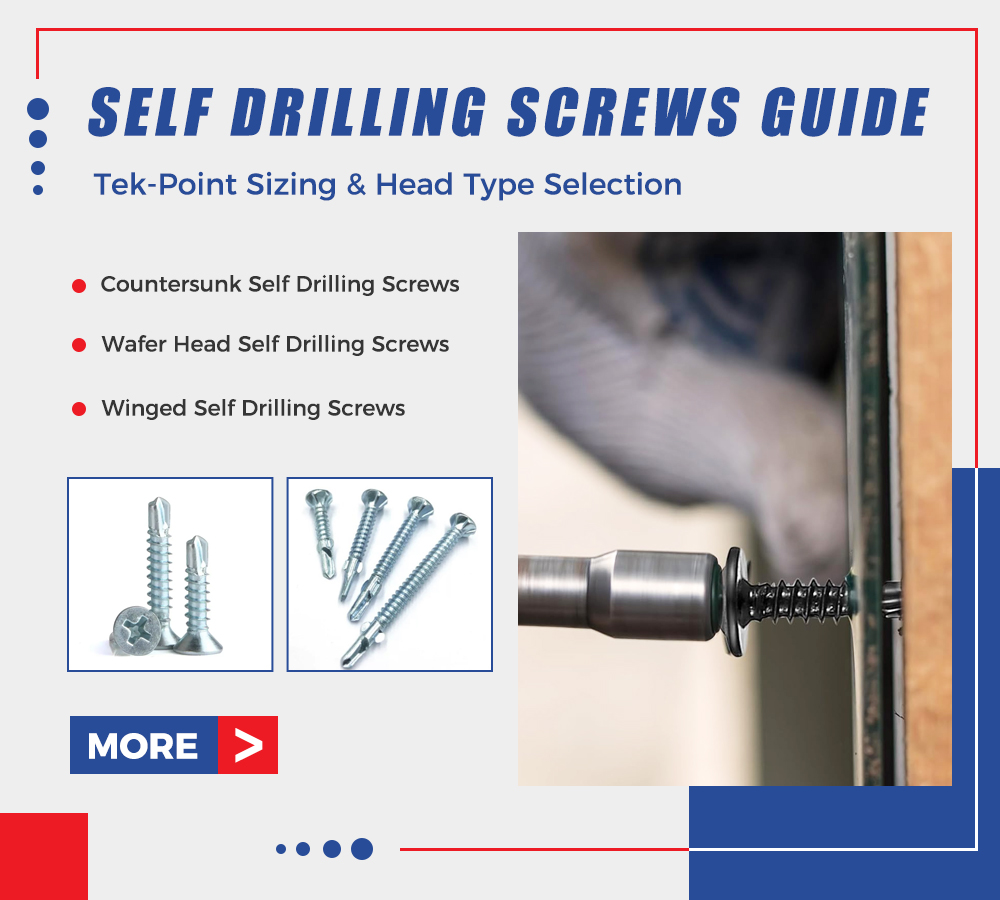
Mistake 1: Using the wrong Tek-point for the metal thickness. This is the most common problem. Too small, and the screw never fully penetrates. When it's too large, thin panels are torn apart. Check your steel gauge first.
Mistake 2: Using countersunk screws for structural framing. The smaller bearing surface means less clamping force over the connection area. There is no load-bearing purpose for countersunk screws.
Mistake 3: Using wafer-head screws for visible surfaces. Although they are structurally sound, they look unfinished on exposed panels because of their protruding heads.
Mistake 4: Using standard self-drilling screws for timber-to-steel connections. Without the wing design, standard screws often split the wood. Mix-material assemblies should be assembled with winged screws.
Three Supplier Evaluation Criteria for 2026
The wire coil market is not facing a demand crisis—it is facing a specification discipline challenge. Buyers who treat GI coil wire, annealed coil wire, and cold-rolled wire as interchangeable commodities will continue to encounter quality surprises. Buyers who specify by standard, application, and documentation requirement will find that the market has ample supply of reliable product at competitive pricing.
If you are evaluating suppliers for GI coil wire, annealed coil wire, or cold-rolled wire, send us your specifications—grade, diameter, tensile range, coating class, and coil weight—and our technical team will respond with a detailed quotation within 24 hours.